Recycled and renewable materials
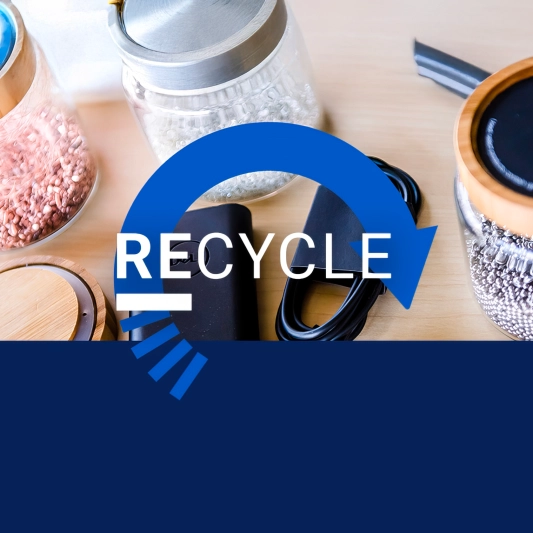
Using recycled and renewable materials, such incorporating ocean plastics into packaging, with the aim of reusing 1.5 million kilos in five years.

Impact
17/02/2026


Sustainability has been an integral part of Dell’s strategy for decades, ever since it blazed the trail back in the 90s with its electronic equipment recycling schemes. This commitment has translated into some major initiatives based on ambitious environmental targets which are monitored over time.
Using recycled and renewable materials, such incorporating ocean plastics into packaging, with the aim of reusing 1.5 million kilos in five years.
Circular product design, with a focus on modularity, repairability and sustainability.
Aiming for 100% renewable energy in its global operations by 2040.
94% made from recycled or renewable materials.
Tripled the use of recycled plastic since 2020.

Dell also facilitates repairs and upgrades of its devices in order to extend their useful life. The company uses recycled plastics, including ocean plastics, and recycled metals for manufacturing laptops.
The products are also designed for easy dismantling, so the components can be retrieved at the end of their useful life, which reduces the use of harmful substances.
Sustainable design is part of a responsible approach to the complete lifecycle of products, from design to reclaiming at end-of-life.
The partnership between Dell Technologies and Econocom is a perfect example of how the complementary expertise of players in the value chain can be combined as part of a circular, responsible approach to ensure more sustainable digital.
Dell focuses on sustainable equipment design while Econocom offers responsible use models such as-a-Service solutions. This model promotes leasing over purchasing in order to limit waste and encourage the reuse of resources while optimizing costs.
Between them, Dell and Econocom cover the complete product lifecycle: design, use, repurposing and recycling. The equipment collection schemes extend the useful life of equipment by refurbishing or reusing components.
This integrated approach maximizes the value created by reducing the overall environmental impact, which is beneficial for both clients and the environment.